
What to Look for in a UK PCB Prototyping Service
Choosing a PCB prototyping supplier can have a significant impact on the speed and success of a new electronics project.
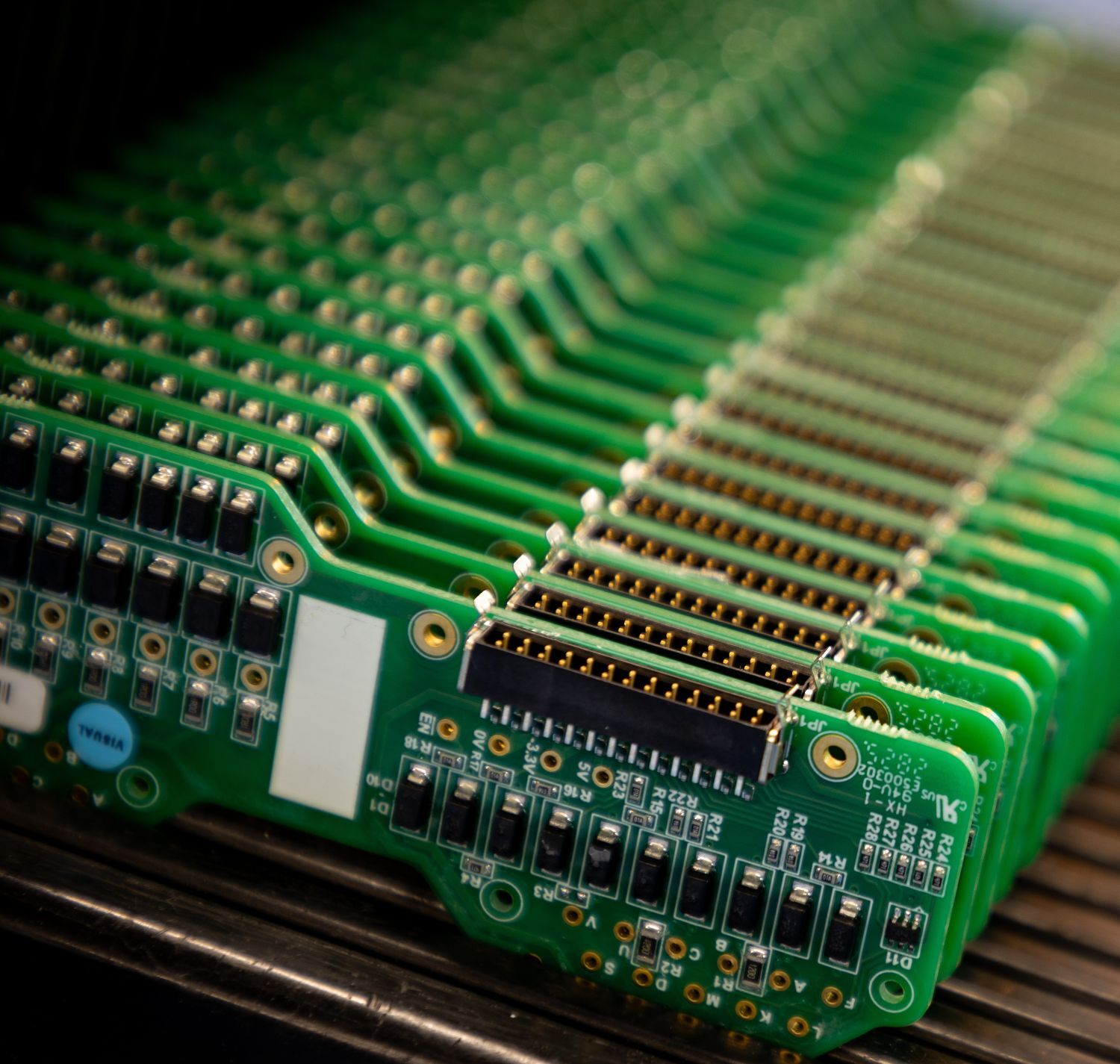
Choosing a PCB prototyping supplier can have a significant impact on the speed and success of a new electronics project.
Fast turnaround is important, particularly when development schedules are tight, but it should not be the only consideration. A prototype needs to help you validate a design, identify potential issues and provide confidence before further investment is made in production.
For engineers and procurement teams comparing UK PCB prototyping services, here are some of the key factors worth considering.
1. Does the supplier have the right technical capability?
Start with the requirements of the PCB itself.
Layer count, board material, component packages, assembly technology and testing requirements can all affect which supplier is suitable.
A relatively straightforward prototype may need very different manufacturing capability from a densely populated SMT assembly incorporating fine-pitch devices, BGAs or specialist PCB materials.
It is therefore worth discussing the technical requirements early rather than choosing a supplier on turnaround or price alone.
Cleveland Circuits, for example, supports SMT and through-hole prototype assemblies, including components down to 01005 as well as BGAs, micro BGAs and other advanced packages.
2. What does the quoted turnaround actually include?
A headline lead time can be useful when comparing PCB prototype manufacturing services, but make sure you are comparing like with like.
Does the turnaround refer to:
- the bare PCB only?
- a fully populated PCB assembly?
- component procurement as well as assembly?
- inspection and testing?
- dispatch, or actual delivery?
Board complexity and component availability can also affect how quickly a prototype can realistically be completed.
For engineers, the more useful question is often not simply “How quickly can you make it?” but “How quickly can I have a usable prototype ready to evaluate?”
3. Will the design be reviewed for manufacturability?
A fast prototype is of limited value if an avoidable manufacturing issue results in rework.
Design for Manufacture (DfM) review can help identify potential problems before production starts, from component placement or assembly concerns to aspects of the PCB specification that could make manufacture unnecessarily difficult or expensive.
A supplier that provides practical engineering feedback can therefore add considerable value during the prototype stage.
Cleveland Circuits reviews designs before production and provides DfM feedback as part of its prototyping service.
4. What quality controls are in place?
Prototype quantities may be small, but quality control should not be treated as less important.
The purpose of printed circuit board prototyping is often to validate a design before moving forward, so engineers need confidence that any issue identified during testing comes from the design rather than inconsistent manufacture or assembly.
Look at the supplier's quality management system, inspection processes and relevant manufacturing standards.
Cleveland Circuits operates to ISO 9001:2015 and has an IPC-A-610 and IPC J-STD-001 trained workforce. Its assembly capability also includes 3D AOI and SPI inspection.
5. Can they supply the PCB technology your design requires?
Not every prototype uses conventional FR-4.
Depending on the application, engineers may require multilayer boards, high-frequency materials, improved thermal management or other specialist constructions.
A prototyping supplier should either have access to those technologies or be able to explain the most suitable manufacturing route.
Cleveland Circuits' bare PCB supply includes single and double sided boards, multilayer PCBs up to 20 layers, IMS boards and high-frequency laminates, with both prototype and production quantities available.
6. Can the prototype be properly inspected and tested?
PCB prototyping should ultimately help answer a simple question:
Does the design work as intended?
Inspection and testing capabilities therefore matter, particularly for assembled prototypes.
Depending on the project, this might involve AOI, SPI, in-circuit testing, functional testing or programming.
Being able to combine PCB assembly and appropriate testing through the same manufacturing partner can also simplify the process and help identify problems earlier.
Cleveland Circuits offers inspection and testing options including 3D AOI, SPI, in-circuit and functional testing.
7. Can the supplier support low-volume builds?
A prototype does not always move immediately into high-volume production.
There may be several design iterations, small pre-production batches or an extended period of low-volume PCB production while demand develops. That makes flexibility important.
Ask whether the supplier is comfortable supporting small and changing quantities rather than focusing solely on larger production runs. A supplier experienced in both prototyping and low-volume manufacture can provide continuity throughout the development process.
8. What happens when the prototype is approved?
This is one of the most useful questions to ask before choosing a prototyping supplier.
Once the design has been proven, can the same company support the next stage?
Moving to a different manufacturer after prototyping can mean transferring manufacturing information, agreeing processes again and potentially introducing new variables.
Using a supplier capable of supporting both prototypes and production can make that transition considerably simpler.
Cleveland Circuits supports PCB assemblies from prototype and low-volume builds through to higher-volume production, allowing manufacturing knowledge to remain with the project as quantities increase.
Is a UK PCB prototyping service always the best option?
Not necessarily.
Offshore PCB fabrication can offer attractive pricing, particularly at higher quantities, while UK manufacturing can be valuable where turnaround, communication or engineering support are particularly important.
Many projects benefit from using different sourcing routes at different stages.
Cleveland Circuits uses UK manufacturing partners for rapid PCB supply alongside offshore options where they are more appropriate for larger or cost-sensitive requirements.
The important thing is choosing the route that suits the project rather than assuming one sourcing model is right for every PCB.
Choosing a PCB prototyping partner
When comparing UK PCB prototyping services, look beyond the headline lead time.
Technical capability, DfM support, quality control, testing, communication and the ability to move into production can all affect the overall success of the project.
A good prototyping partner should not simply manufacture what has been submitted. They should help create a reliable route from the first build to a repeatable production assembly.
Cleveland Circuits supports UK electronics manufacturers with PCB prototyping, assembly, inspection and testing, from initial prototype and low-volume builds through to production.
If you have a new PCB project approaching the prototype stage, speak to the Cleveland Circuits team about your requirements.
Got questions? We've got answers!
How do I choose a UK PCB prototyping service?
Look at technical capability, DfM support, inspection and testing, realistic turnaround, low-volume flexibility and whether the supplier can support the project into production.
What should I send for a PCB prototype quote?
Typically, the supplier will need your Gerber files, bill of materials, pick-and-place or centroid data, quantities and any special assembly, testing or material requirements.
Why is DfM important during PCB prototyping?
Design for Manufacture review can help identify potential issues before production begins, reducing the risk of delays, rework or unnecessary prototype revisions.
Should I use the same PCB supplier for prototyping and production?
Where practical, yes. Using the same manufacturing partner can make the transition into low or higher volume production easier because the supplier already understands the design, manufacturing data and build requirements.