
PCB Prototyping Services in the UK: How to Compare Your Options
PCB prototyping is an important stage in electronics product development, allowing engineers to test designs, identify potential problems and make improvements before committing to production.
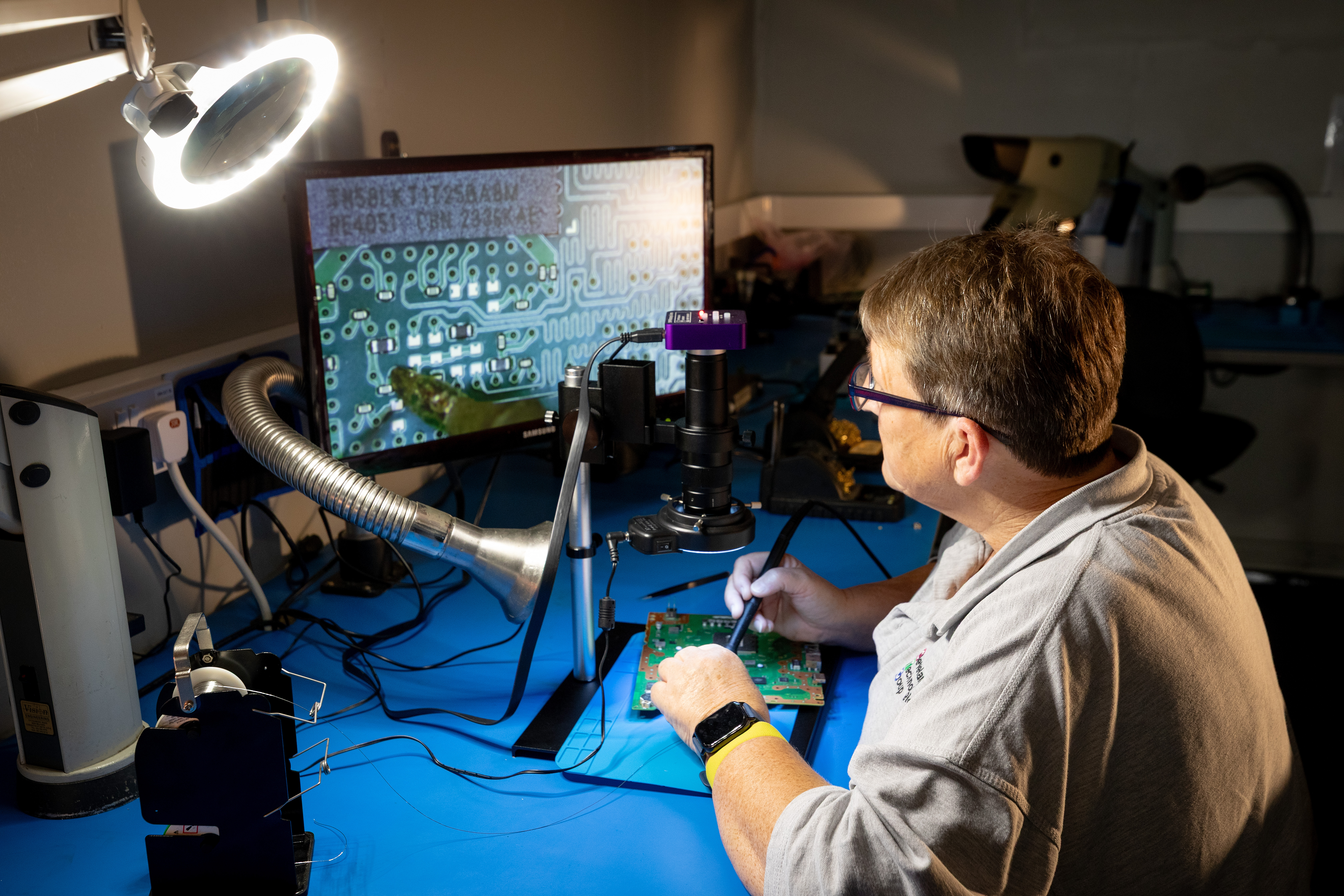
PCB prototyping is an important stage in electronics product development, allowing engineers to test designs, identify potential problems and make improvements before committing to production.
But PCB prototyping isn't one single service.
Some projects require a handful of bare circuit boards to test an initial design. Others need fully assembled PCBs, complete with components, firmware programming and functional testing, before progressing to a larger production run.
These are very different requirements, and the fastest or cheapest option isn't necessarily the most suitable.
For engineers and procurement teams comparing UK PCB prototyping services, understanding the different options is the first step towards choosing the right manufacturing partner.
What are the different types of PCB prototyping services?
PCB prototyping services cover several stages of electronic product development, from manufacturing an unpopulated circuit board to producing a complete, tested electronic assembly.
The service you need depends on what you are trying to achieve.
|
PCB prototyping service |
Best suited to |
|
Bare PCB prototyping |
Testing circuit layouts, connectivity and initial designs |
|
Assembled PCB prototyping |
Evaluating electronic functionality with components fitted |
|
Rapid PCB prototyping |
Time-sensitive development and design changes |
|
Low-volume PCB production |
Small batches, pilot runs and pre-production testing |
|
Assembled and tested prototypes |
Functional validation, programming and product integration |
Understanding these distinctions can help avoid unnecessary costs, delays and manufacturing complications.
Bare PCB prototyping: Testing the foundations
A bare PCB is a printed circuit board without electronic components fitted.
For engineers developing a new design, bare PCB prototypes provide an opportunity to evaluate the physical board before proceeding with component assembly.
This might include checking dimensions, connector positions, mounting holes, track layouts or other design requirements.
Depending on the application, the board could be a relatively straightforward single or double-sided PCB or a complex multilayer design.
Material selection also matters. While standard FR-4 is suitable for many applications, specialist requirements may call for high-frequency laminates, thermal management materials or flexible circuit constructions.
At Cleveland Circuits, we supply bare PCBs through established manufacturing partners, covering prototype quantities through to larger production requirements.
Assembled PCB prototyping: Testing a working circuit
Once a design is ready for component population, PCB assembly prototyping allows engineers to assess how the electronic circuit performs.
Components are fitted using Surface Mount Technology (SMT), through-hole assembly or a combination of both.
Unlike a bare PCB, an assembled prototype can be powered, programmed and functionally evaluated, depending on the design and testing arrangements.
This stage is particularly important when assessing component performance, interactions between circuits and the overall behaviour of an electronic product.
For complex assemblies, manufacturing capability becomes a significant consideration. Fine-pitch devices, BGAs, miniature components and mixed-technology designs may require specialist equipment and inspection processes.
Cleveland Circuits provides SMT assembly and through-hole assembly at our Teesside facility, supporting prototype builds alongside ongoing production requirements.
Rapid PCB turnaround: How fast is fast enough?
When development deadlines are approaching, turnaround time can become a deciding factor.
Some UK PCB manufacturers advertise 24-hour PCB prototyping, while others offer lead times ranging from several days to a few weeks.
However, it's important to understand exactly what those timescales include.
A 24-hour turnaround for an unpopulated bare PCB is very different from delivering a fully assembled, programmed and tested circuit board.
Several factors can affect lead times, including:
- PCB complexity, materials and layer count
- Component availability and sourcing
- SMT and through-hole assembly requirements
- Inspection, programming and testing
- Design changes or additional engineering requirements
For many projects, the important question isn't simply how quickly a PCB can be manufactured, but how quickly a usable prototype can be delivered for evaluation.
Cleveland Circuits offers rapid PCB prototyping from 72 hours, depending on design complexity and project requirements.
Low-volume PCB production: Bridging the gap to manufacture
Not every successful prototype progresses immediately to high-volume manufacturing.
Some products require additional development, customer trials, certification work or small pre-production batches before larger quantities are needed.
Others may remain in low volume PCB production throughout their commercial life.
This makes flexibility an important consideration when choosing a manufacturing partner.
A supplier experienced in both prototyping and production can help maintain consistency as quantities change, particularly where manufacturing processes, inspection requirements and component specifications need to remain controlled.
It also means that issues identified during early builds can be addressed before larger production commitments are made.
For engineers developing industrial equipment, automotive electronics or specialist control systems, this transition can be particularly important where reliability, traceability and repeatability are key requirements.
Why PCB inspection and testing matter during prototyping
A prototype that appears to work isn't necessarily ready for production.
Manufacturing defects, inconsistent solder joints or component placement issues can affect performance and make it difficult to determine whether a problem originates from the design or the assembly process.
Appropriate inspection and testing help distinguish between these issues.
When comparing PCB quality standards and manufacturing capabilities, consider:
ISO 9001:2015: A recognised quality management system standard covering controlled processes and continual improvement.
IPC-A-610: An internationally recognised standard for the acceptability of electronic assemblies.
IPC J-STD-001: Requirements relating to soldered electrical and electronic assemblies.
Automated Optical Inspection (AOI): Used to identify visible assembly defects, such as component positioning and soldering issues.
Solder Paste Inspection (SPI): Checks solder paste deposits before component placement and reflow.
Functional testing: Evaluates whether an assembled circuit performs according to specified requirements.
Cleveland Circuits operates an ISO 9001:2015-certified quality management system, with an IPC-trained workforce and advanced inspection equipment, including our SQ3000 3D AOI, SPI and CMM system.
We also provide PCB testing and firmware programming to support customers requiring further evaluation of their assemblies.
How do PCB prototyping services help reduce time-to-market?
Effective PCB prototyping allows potential problems to be identified before they become more expensive or time-consuming to correct.
For example, early design-for-manufacture (DfM) feedback may highlight issues with component placement, board construction or assembly requirements.
Producing and testing a small quantity before committing to larger batches allows engineers to refine the design and make informed decisions about the next development stage.
Working with a manufacturer that can support both prototypes and subsequent production also reduces the need to transfer designs between different suppliers.
The result can be fewer avoidable manufacturing delays, improved design confidence and a more straightforward transition towards finished products.
PCB prototyping services from Cleveland Circuits
At Cleveland Circuits, we've been supporting the UK electronics industry since 1971.
Our prototyping services cover bare PCB supply, SMT and through-hole assembly, inspection, firmware programming and testing, with options for low-volume and ongoing production.
As part of Cleveland Technologies Group, we can also work alongside our sister company, Connect-2 Technology, to incorporate cable assemblies, wiring harnesses and complete electronic box builds.
Whether you need a handful of bare PCBs to evaluate a design or fully assembled and tested prototypes ready for the next development stage, we can help identify the most suitable manufacturing approach.
Planning your next PCB prototype?
Contact Cleveland Circuits to discuss your design, turnaround requirements and production plans.
Got Questions? We've Got Answers!
What is the best PCB prototyping service for fast UK turnaround?
The most suitable service depends on whether you need bare PCBs or fully assembled and tested prototypes. Simple bare boards may be available within 24 hours from some suppliers, whereas assembled prototypes require additional manufacturing processes. Cleveland Circuits offers PCB prototyping from 72 hours, subject to design complexity and project requirements.
Can I order just a few PCB prototypes?
Yes. Many UK PCB manufacturers and assembly providers accommodate small prototype quantities. Cleveland Circuits supports prototype orders and low-volume PCB production, allowing engineers to evaluate designs before placing larger orders.
What is the difference between PCB fabrication and PCB assembly?
PCB fabrication involves manufacturing the physical circuit board, including its conductive tracks, layers and connections. PCB assembly involves fitting electronic components to the board using SMT, through-hole or mixed-technology processes. A complete working prototype may require both services.
How do PCB prototyping services reduce time-to-market?
PCB prototyping allows engineers to identify design or manufacturing issues before moving into larger production quantities. Early testing, DfM feedback and appropriate inspection can reduce avoidable rework and help products progress more efficiently through development.
Which PCB prototyping service is best for low-volume production?
Look for a supplier that can accommodate smaller quantities while providing suitable assembly, inspection and testing capabilities. A manufacturer offering both prototypes and ongoing production can also help maintain consistency as requirements develop.
What should I look for in a UK PCB prototyping manufacturer?
Consider the supplier's manufacturing capabilities, turnaround times, quality management system, inspection equipment, testing services and ability to support future production. The right supplier should be able to explain how its capabilities match your design and technical requirements.
Do PCB prototyping services include testing and programming?
Some suppliers provide bare boards only, while others offer assembled prototypes with inspection, functional testing and firmware programming. Cleveland Circuits offers these services, with testing requirements agreed according to the application and customer specifications.